
JLLA/JLP is currently developing the following authors for Western English-language publication.
Nguyễn Một
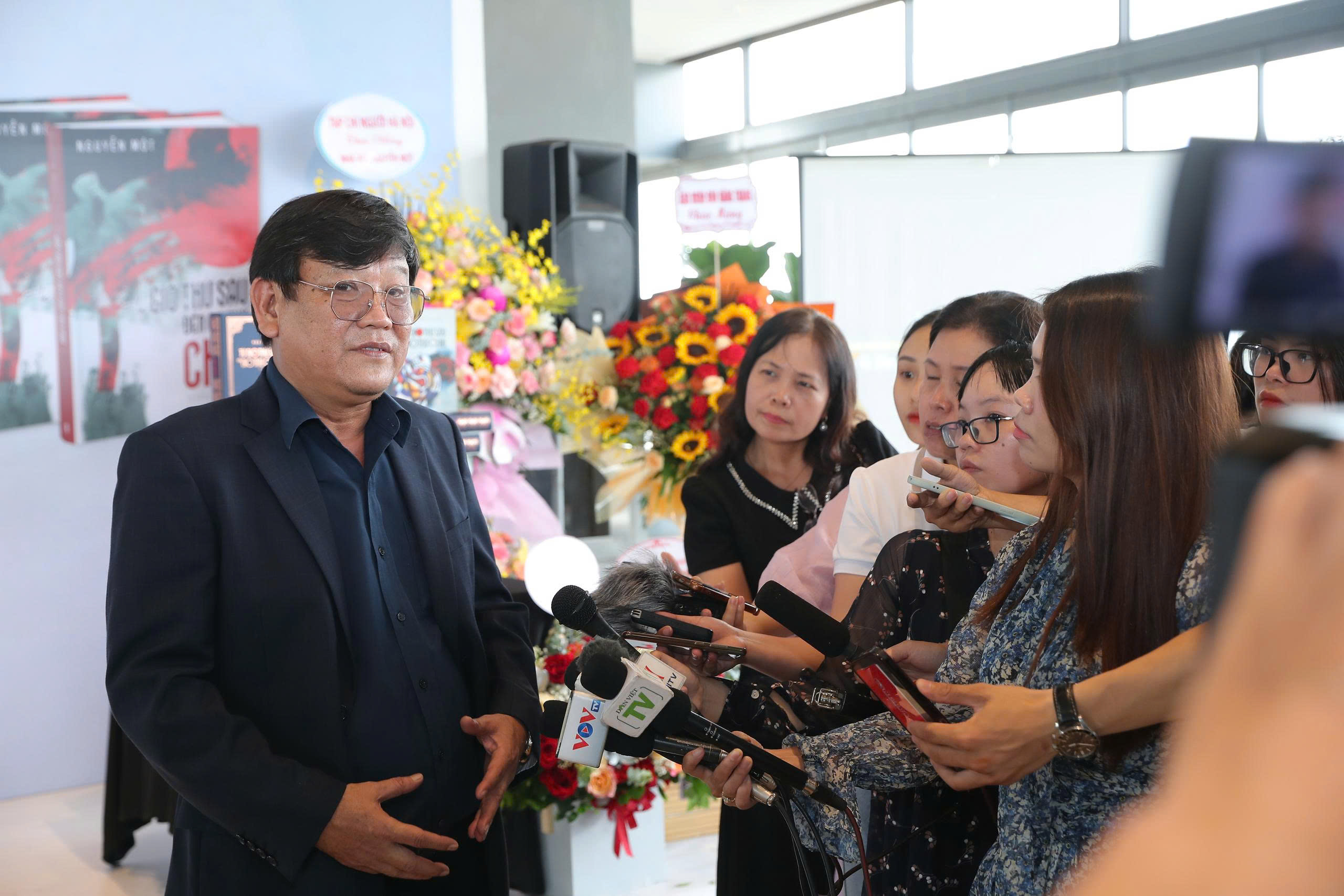
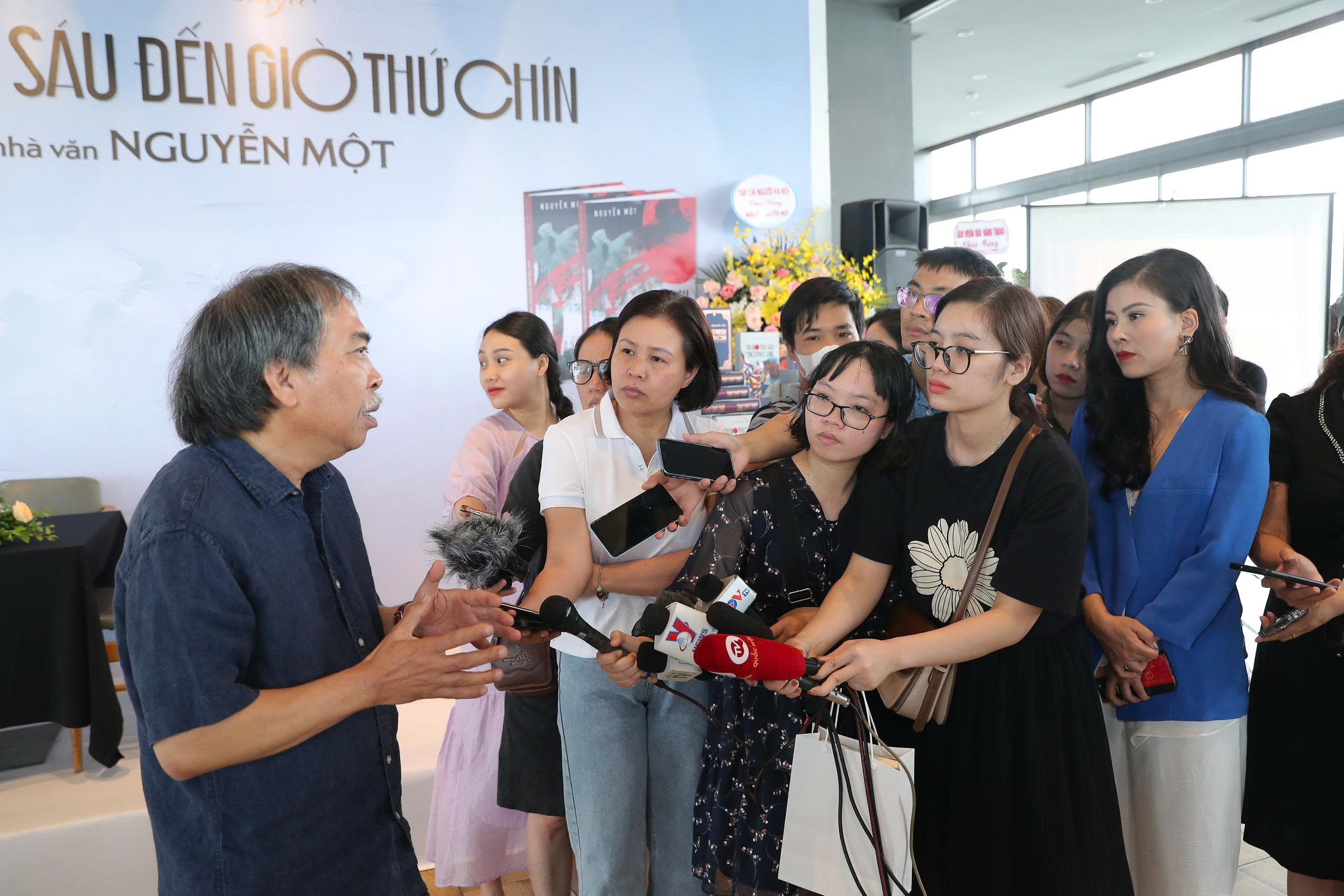
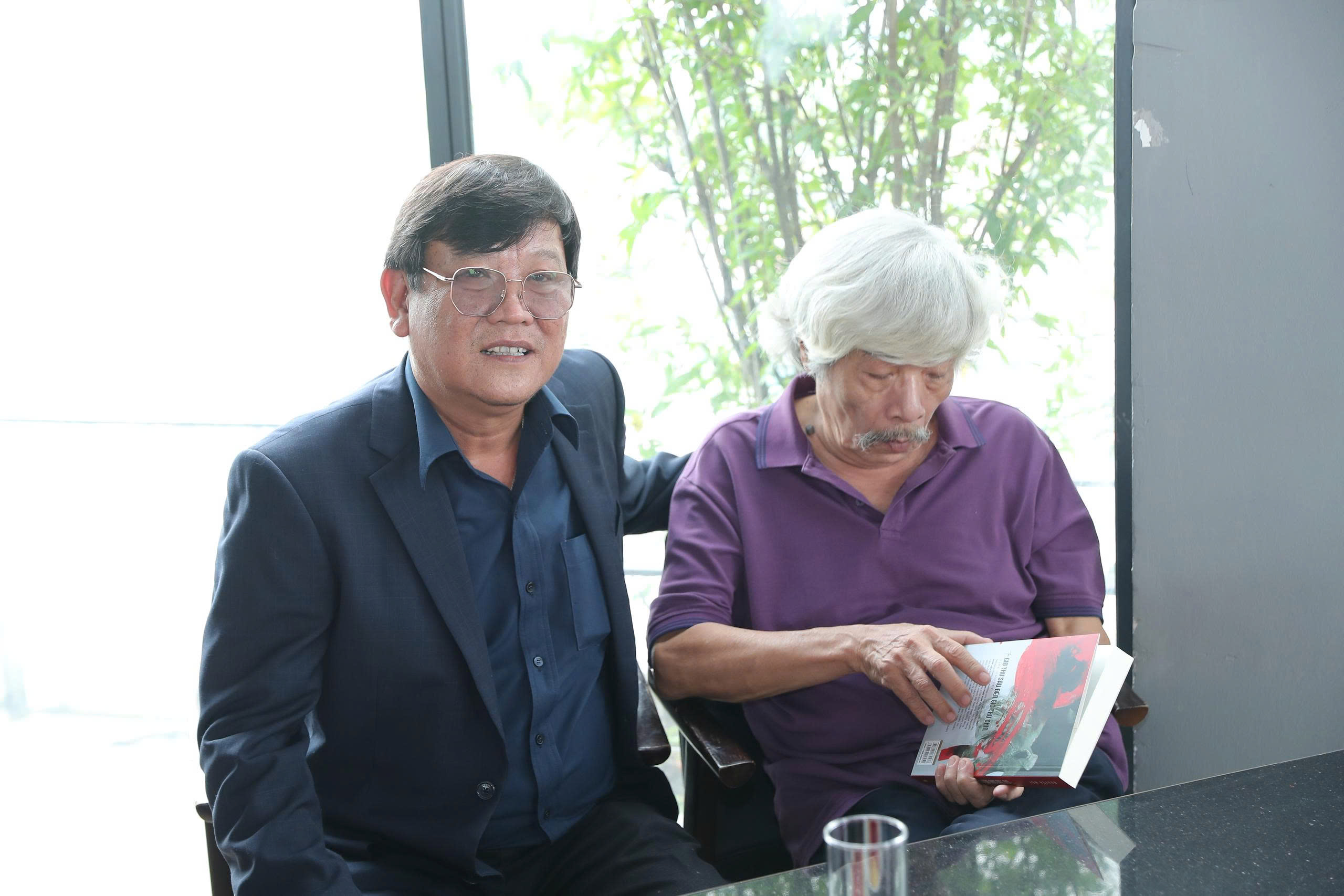
Work in Representation: From the Sixth Hour to the Ninth Hour — Literary Fiction / Memoir-in-Novel
Nguyễn Một is one of the most distinctive voices in contemporary Vietnamese fiction — a writer whose work is rooted in the historical and cultural landscape of central Vietnam and shaped by the profound dislocations of war, loss, and national transformation. Born in Quảng Nam province, a region that bore some of the heaviest fighting of the American War, he lost his father before birth and his mother while still a young child. Raised by relatives during a period of sustained violence and upheaval, these formative experiences became the bedrock of his literary imagination: a sensibility attuned to grief that has no time to become grief, to the ordinary lives of people overtaken by forces they cannot see or name, to the particular weight that history places on those it does not record.
Before dedicating himself fully to literature, Nguyễn Một worked across several professions — teaching, journalism, and later a senior communications role within one of Vietnam’s major corporations. He is the author of several novels, short stories, and essays, with notable works including Đất trời vần vũ (Heaven and Earth in Turmoil) and Ngược mặt trời (Against the Sun). His writing blends realism with mythic and surreal elements, drawing on Vietnamese folklore, spiritual tradition, Catholic faith, and the natural landscape of the Đồng Nai basin.
His most recent novel, From the Sixth Hour to the Ninth Hour, was published in Vietnam and registered with the Copyright Office of Vietnam in January 2025 (Certificate No. 0538/2025/QTG). Set in the fictional river town of Thủ Biên across five decades from the early 1970s to 2023, the novel follows several interlocking lives through the final years of the war, the upheavals of liberation and collectivization, and the long incomplete work of personal and national reckoning. All English-language rights remain with the author.
Nguyễn Một lives and works in Biên Hòa, Đồng Nai province, Vietnam.
Viên Kiều Nga
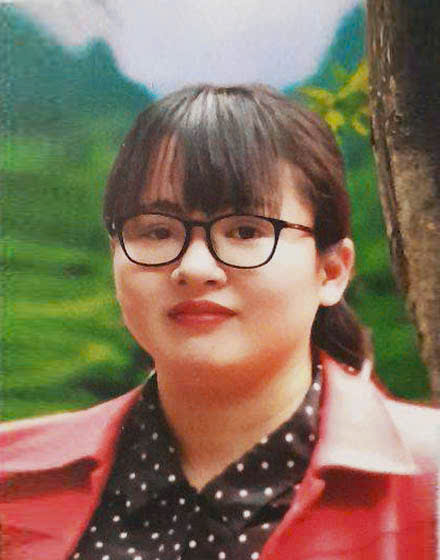
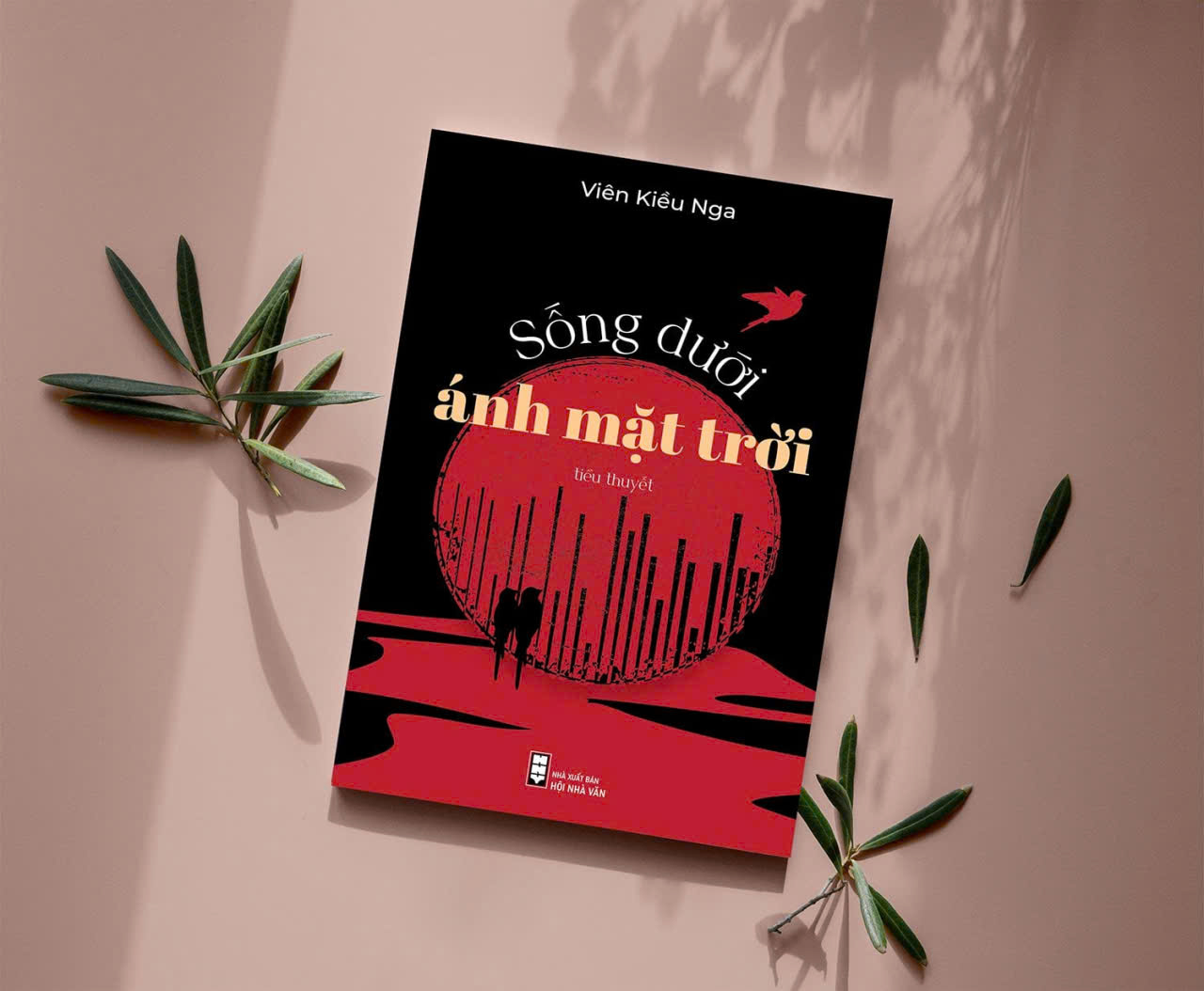

Work in Representation: Vũ Trụ Truyền Kỳ (Book One: Living Under the Sun) — Vietnamese mythology, Eastern philosophy, and speculative imagination
Origin and Formation
Viên Kiều Nga was born on January 26, 1990, in Mèo Vạc District, Hà Giang Province — one of Vietnam’s most remote and culturally distinct regions, bordering China in the far north. Her hometown is Tân Trào Commune, Sơn Dương District, Tuyên Quang Province. Hà Giang is known for its dramatic karst plateau landscape, its ethnic minority communities, and its deep roots in Vietnamese folk tradition and oral literature. This geography is not incidental to her work: the rocky highland terrain that opens Book One of the Vũ Trụ Truyền Kỳ series is drawn directly from the landscape she was formed by. The mythological worldview that structures both novels — in which reincarnation is not doctrine but lived experience, and the boundary between the living and the ancestral dead is porous — reflects the spiritual sensibility of a writer raised in a place where such boundaries are not metaphor but ordinary fact.
She is a member of the Vietnam Writers’ Association — Vietnam’s premier national literary institution, whose membership represents formal recognition by the country’s literary establishment — and of the Vietnam Association of Literature and Arts for Ethnic Minorities. She describes her own style as “highly visual, emotional, cinematic, and philosophically rich” — a fiction of ideas embedded in story, attentive to the depth of human psychology, to the desire to live and to be loved, and to the intersection of ancient tradition with the urgency of the present. Her central preoccupation, across both novels in the series, is the question she identifies as humanity’s greatest: what makes a person truly human?
Awards and Recognition
In 2017, Viên Kiều Nga was awarded Second Prize in the “Artistic Translation” category at the World Pushkin international creative contest, held in Boldino, Russia — an internationally adjudicated competition drawing participants from across Europe and Asia. This is, to date, a distinction held by no other Vietnamese speculative fiction writer of her generation. She has subsequently received three national literary prizes in Vietnam: the Cam Sơn Mountain Legend Writing Competition (Hà Giang City People’s Committee); the First Literary Arts Newspaper Novel Competition (2023–2025); and the 2025 Tuyên Quang Short Story Competition. Her work has been featured across the national Vietnamese literary press, including Nhân Dân, Văn Nghệ (the Writers’ Association’s flagship journal), Công An Nhân Dân, and Dân Việt, among others.
Published Works
Viên Kiều Nga has published four books in Vietnam across three of the country’s most respected publishing institutions. Shadow in the Academy was published by Trẻ Publishing House — one of Vietnam’s largest and most commercially active publishers, with a national distribution network and a strong track record in popular fiction. Living Under the Sun (Sống dưới ánh mặt trời), the first volume of the Vũ Trụ Truyền Kỳ series, was published in 2024 through the Writers’ Association Publishing House (Nhà Xuất Bản Hội Nhà Văn) — Vietnam’s foremost literary institution — and received coverage in approximately ten national publications, with reviews describing it as affirming “the promising future of fantasy literature” in Vietnam (Văn Nghệ). The Wind Symphony, a work described by reviewers as “a melody healing children’s souls,” was also published by the Writers’ Association Publishing House. Nora the Whale Girl, a science fiction novel, was published by Vietnam Women’s Publishing House. Across these four titles and three publishers, her work spans speculative adult fiction, science fiction, and imaginative fiction for younger readers — demonstrating a range of voice and register that is unusual among Vietnamese writers of her generation.
The second volume of the series, Legend of Dragon and Fairy Descendants (Con Rồng Cháu Tiên Truyền Kỳ), exists in completed manuscript. World English rights to both volumes are available and remain entirely with the author.
Voice and Approach
Viên Kiều Nga’s fiction operates at the intersection of Vietnamese mythology, Eastern philosophy, and speculative imagination. Her work explores the journey from artificial intelligence to genuine selfhood; the Buddhist cycle of life, death, and rebirth as both cosmological framework and emotional architecture; the redemptive power of compassion and sacrifice; and the relationship between humanity and the natural world. These themes are grounded in a distinctively Vietnamese cultural register — the rocky plateaus of northern Vietnam, the values of filial piety and communal responsibility, the founding legends of the Vietnamese people — and in a philosophical sensibility in which reincarnation is not fantasy but inherited understanding.
The Vũ Trụ Truyền Kỳ series places the AI consciousness question and the millennia-old Asian belief in rebirth in genuine philosophical dialogue. None of the series’ comparable titles — not Vajra Chandrasekera’s Rakesfall, not Yangsze Choo’s The Ghost Bride — use artificial intelligence as a structural element of their reincarnation narrative. This series does. It is a work that could only have been written by a Vietnamese author, and that is precisely its claim on international readers.
Viên Kiều Nga lives and writes in Hà Nội, Vietnam. She is represented exclusively for English-language translation and international rights by Jade Lotus Literary Agency/Jade Lotus Press (JLLA/JLP), Milwaukee, Wisconsin, USA.
Dư Thị Phương Liên
Work in Representation: I Must Live — Literary Memoir
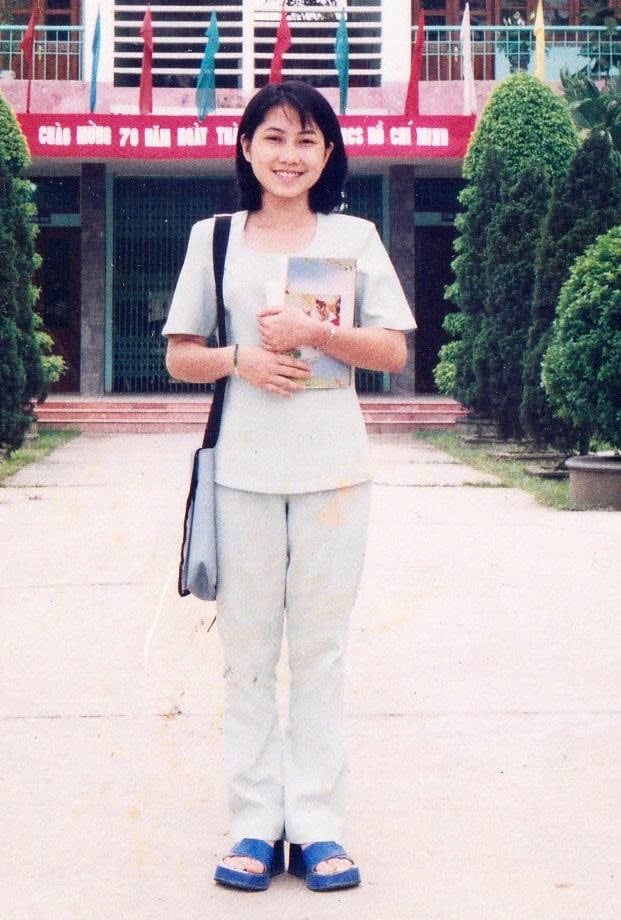
Dư Thị Phương Liên was born in the early 1980s in Vietnam and spent the first three years of her career as a teacher in Vietnam’s public education system. She graduated from the regional Teachers’ College, passed the highly competitive civil service examination in 2004, and taught literature at the secondary level. By the end of 2006 — six months into her first pregnancy — her hearing failed completely. A subsequent MRI revealed two large tumors pressing on her auditory nerves. The surgery to remove them was a six-hour emergency procedure that nearly killed her. She survived, but emerged partially paralyzed, profoundly deaf, and with one eye permanently damaged and the left side of her face altered.
In the years following her brain surgery, Dư Thị Phương Liên rebuilt herself incrementally and without institutional support — teaching herself computer and video editing skills, writing journalism and personal essays for national publications, winning prizes in nationally recognized writing competitions including a contest organized by Tuổi Trẻ newspaper, and tutoring neighborhood children despite her deafness. In late 2018 the disease returned with greater ferocity: multiple new tumors along her spine and skull, a third major surgery, and the total loss of vision in her remaining eye. By the summer of 2019 she was deaf, nearly mute, and blind. She seriously contemplated ending her life.
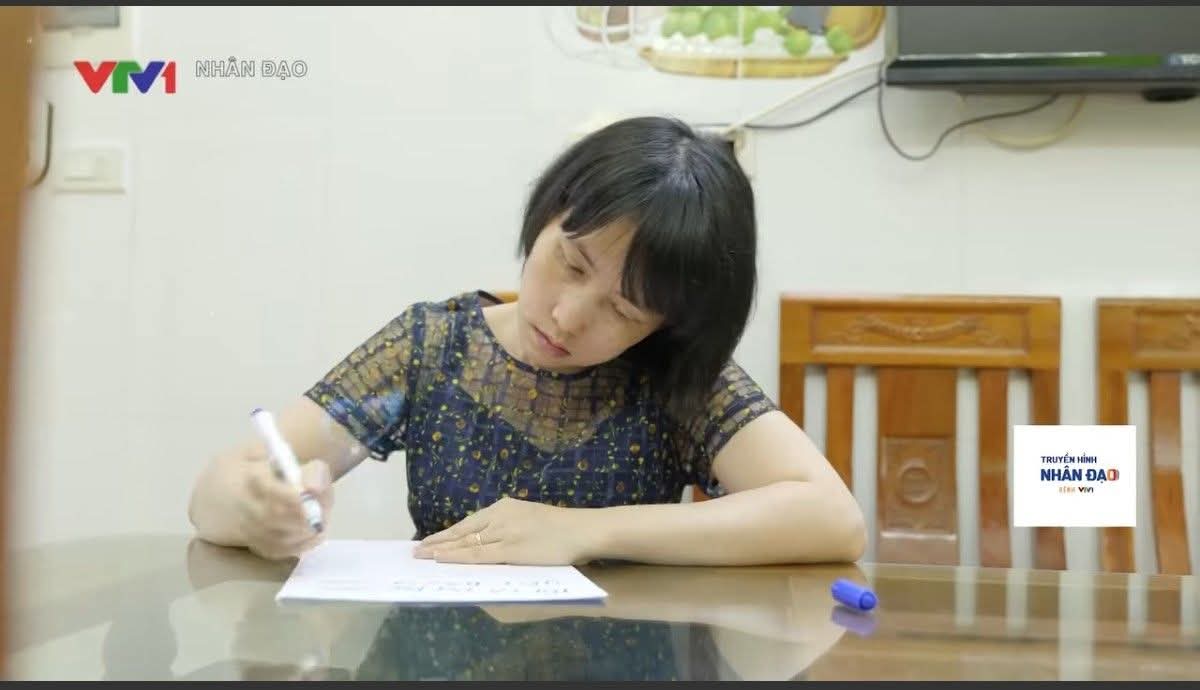
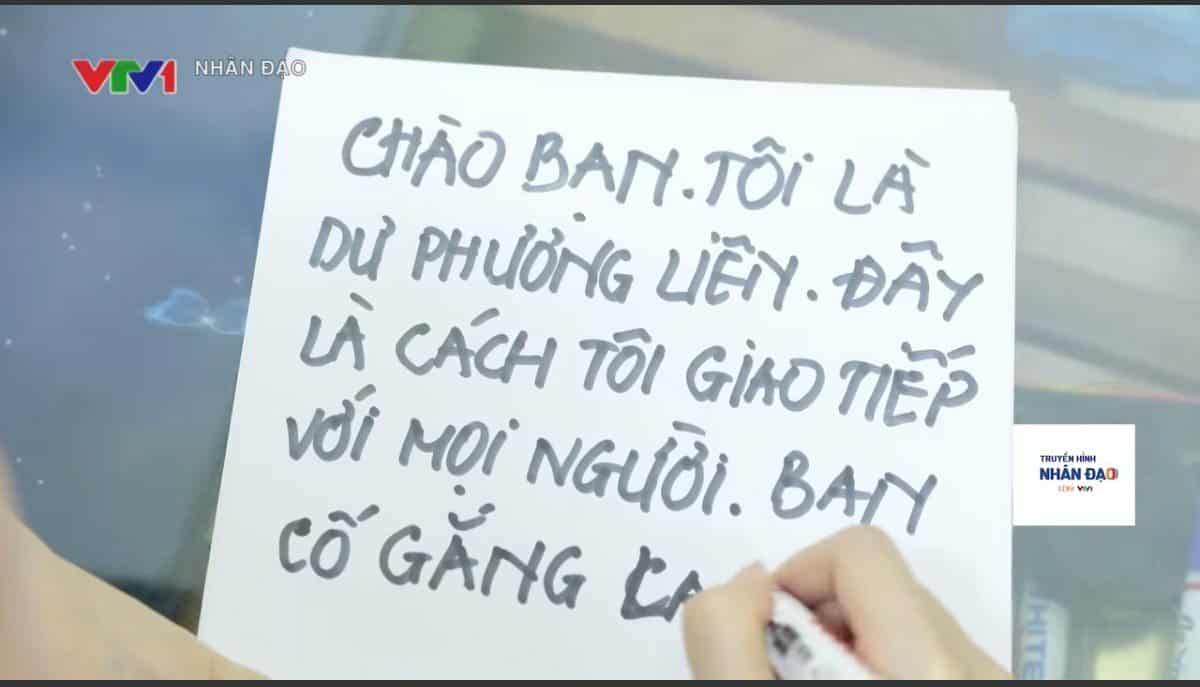
It was in the aftermath of that crisis that she began writing this memoir — by hand, in large block letters with a thick marker, a ruler under each line to keep the script straight, her son typing the pages she produced. The memoir was completed and self-published in Vietnam in 2021 and featured in approximately ten national newspapers. Her husband’s story — of a man who over fourteen years of unbroken illness never once complained or left — became part of Vietnam’s civic curriculum: excerpts appear in the Grade 10 Civic Education textbook as an example of marital fidelity and human resilience. All world English-language rights to I Must Live remain with the author.
Dư Thị Phương Liên currently lives with her mother, husband, and son in the housing collective where she grew up, in Hanoi, the capital of Vietnam. She continues to write.